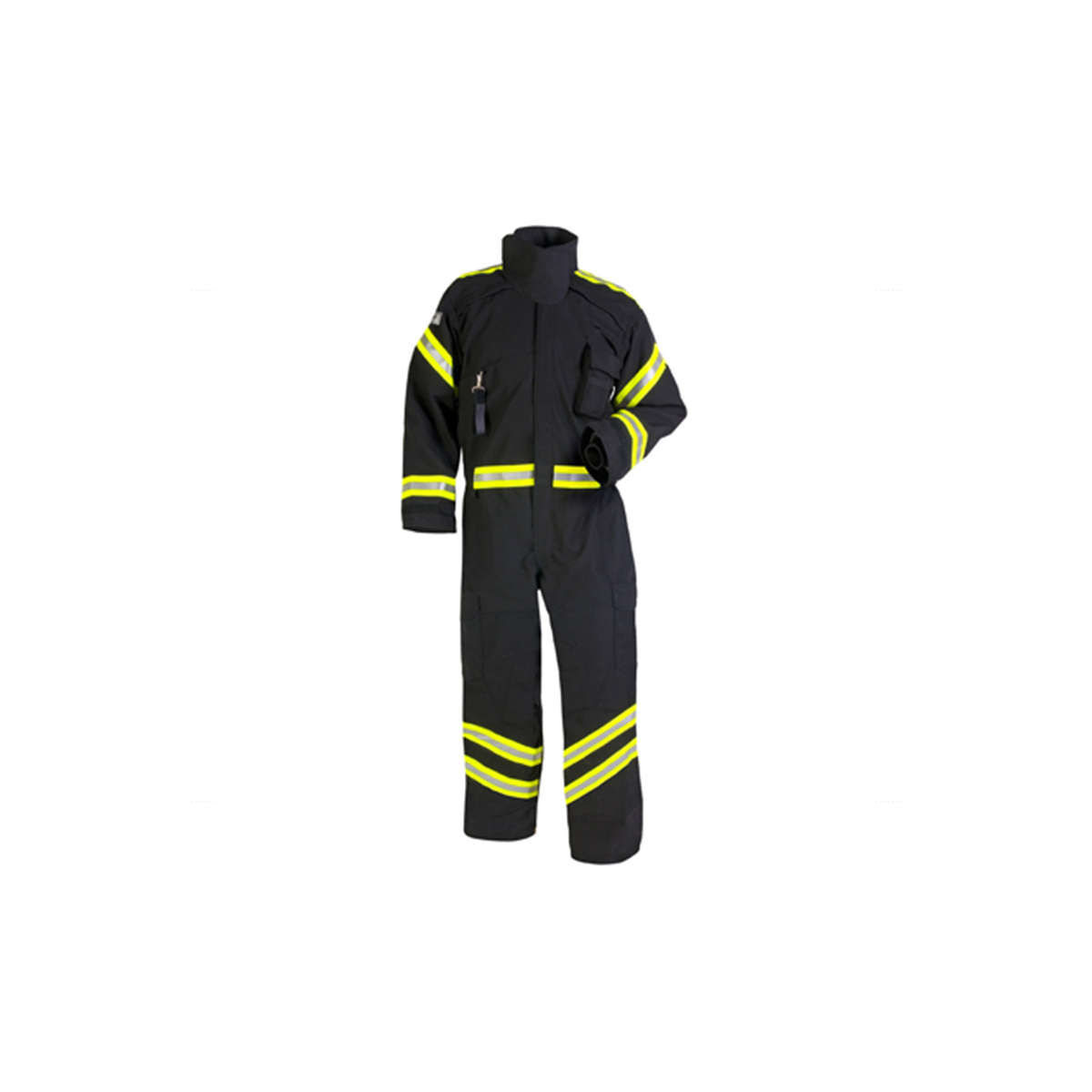

Gloves are a vital part of Personal Protective Equipment (PPE), designed to safeguard hands in hazardous environments such as firefighting and chemical processing. Paired with fire helmets, they protect firefighters from heat and flames, while eye protection helps guard against flying debris. In high-risk industries, like welding and construction, gloves work in conjunction with other safety gear such as respirators to prevent injury from chemicals, cuts, and impacts. Proper hand protection is just as vital as wearing fire-resistant clothing, ensuring comprehensive safety in extreme conditions.
Gloves are engineered with specific attributes that enhance their protective capabilities and ensure comfort and durability in challenging environments:
Gloves are used across various industries where hand protection is critical. Below are some key applications of these essential protective tools:
In firefighting, gloves are a crucial part of the personal protective equipment (PPE) worn by firefighters. These gloves are heat-resistant and flame-retardant, providing protection against extreme temperatures, burning debris, and hot surfaces.
For construction and industrial workers, gloves protect against cuts, punctures, and abrasions. They are used when handling sharp tools, heavy materials, and in environments where there is a high risk of hand injuries.
Workers in laboratories or chemical plants rely on gloves to protect against chemical burns and exposure to hazardous substances. These gloves act as a barrier to prevent harmful chemicals from coming into contact with the skin.
In healthcare, gloves serve as essential protective gear for preventing contamination and the spread of infections. Disposable gloves made from latex, nitrile, or vinyl are used by medical professionals during examinations, surgeries, and lab work.
For electrical utility workers, gloves made from insulating materials provide protection against electrical shock and burns. These gloves are essential for electricians working with high-voltage equipment.
Gloves offer several benefits that make them an indispensable part of safety protocols in many industries:
The primary function of gloves is to protect hands from various hazards, such as heat, cuts, chemicals, and impacts. They serve as a critical barrier between the worker and dangerous materials or conditions, reducing the risk of hand injuries.
Gloves made from high-quality, specialized materials are designed to withstand the demands of harsh environments, ensuring long-lasting protection. Whether used for heavy-duty construction or chemical handling, these gloves provide reliable performance over time.
Despite their protective features, modern gloves are designed to allow maximum dexterity and grip, enabling workers to handle tools and materials efficiently without compromising safety.
Gloves today are designed with ergonomics in mind, providing a comfortable fit that minimizes hand fatigue. Properly fitting gloves reduce strain during long hours of wear, helping workers maintain their productivity.
Gloves are available in a wide range of styles, each designed to meet the specific demands of different industries and tasks. From heat-resistant gloves for welders to chemical-resistant gloves for lab technicians, these products are tailored for safety in diverse applications.

Proper use and maintenance of gloves are essential to ensure optimal hand protection in hazardous environments. Here are some tips for effective use:
Ensure the safety and efficiency of your workforce with high-quality gloves designed to meet the demands of your industry. Contact us today for a quote or visit our website to explore our wide range of protective gloves tailored to different applications. Let our team help you find the right solution to meet your safety needs.